

A11Y Uptake
Bringing accessibility to enterprise
Impact:
Helped bring WCAG 2.2 AA into enterprise design practice, remediating ~28 design-system components, introducing 3 new accessible components, supporting 4 project teams, and extending accessibility guidance across a 30-person design studio.
Role:Lead User Experience and Accessibility Designer
Timeline:1 + year
Project Manager, Design Manager, Lead Designer, 2 Quality Assurance, 5 Developers, and multiple stakeholders.
Team:Tools:Figma, WCAG 2.2 AA, color contrast checker and other.
The problem:
A government mandate gave a major U.S. utility one year to address WCAG 2.2 AA requirements across its design system, website, and mobile app.
The initiative touched multiple business units and a 30-person design studio, creating a challenge that went beyond fixing individual accessibility issues. Teams needed a stronger foundation, clearer guidance, and a practical way to bring accessibility into everyday design decisions.
The design system itself was a key starting point: approximately 28 existing components had no full accessibility support, while new accessibility requirements were emerging across customer-facing experiences.
Recognizing the real challenge
Early in the process, I recognized a gap in my own accessibility knowledge that could slow the work down. I pursued additional training in Deque, while the project was already underway, and that experience helped shape my approach: if one designer needed to close a knowledge gap under deadline pressure, others likely did too.
The bigger risk wasn't a single inaccessible component. It was the possibility of 30 designers repeating the same mistakes across multiple products and platforms. I saw an opportunity to address the problem at its foundation through accessible design-system components, clearer documentation, and practical enablement.
My Role:
Design accessibility lead
I led the design-side accessibility work, partnering with two QA/accessibility auditors, 5 developers and working closely with other project teams and multiple stakeholders.
My role spanned three areas:
Design system: Lead remediation of existing components and introduce new accessible patterns.
Product teams: Serve as an accessibility SME for project teams working across web and mobile.
Enablement: Create practical resources, working sessions, and ongoing support so designers could apply WCAG requirements to real projects.
How I approached it:
1. Fix the foundation
I started with the design system, prioritizing components that appeared across high-traffic customer experiences.
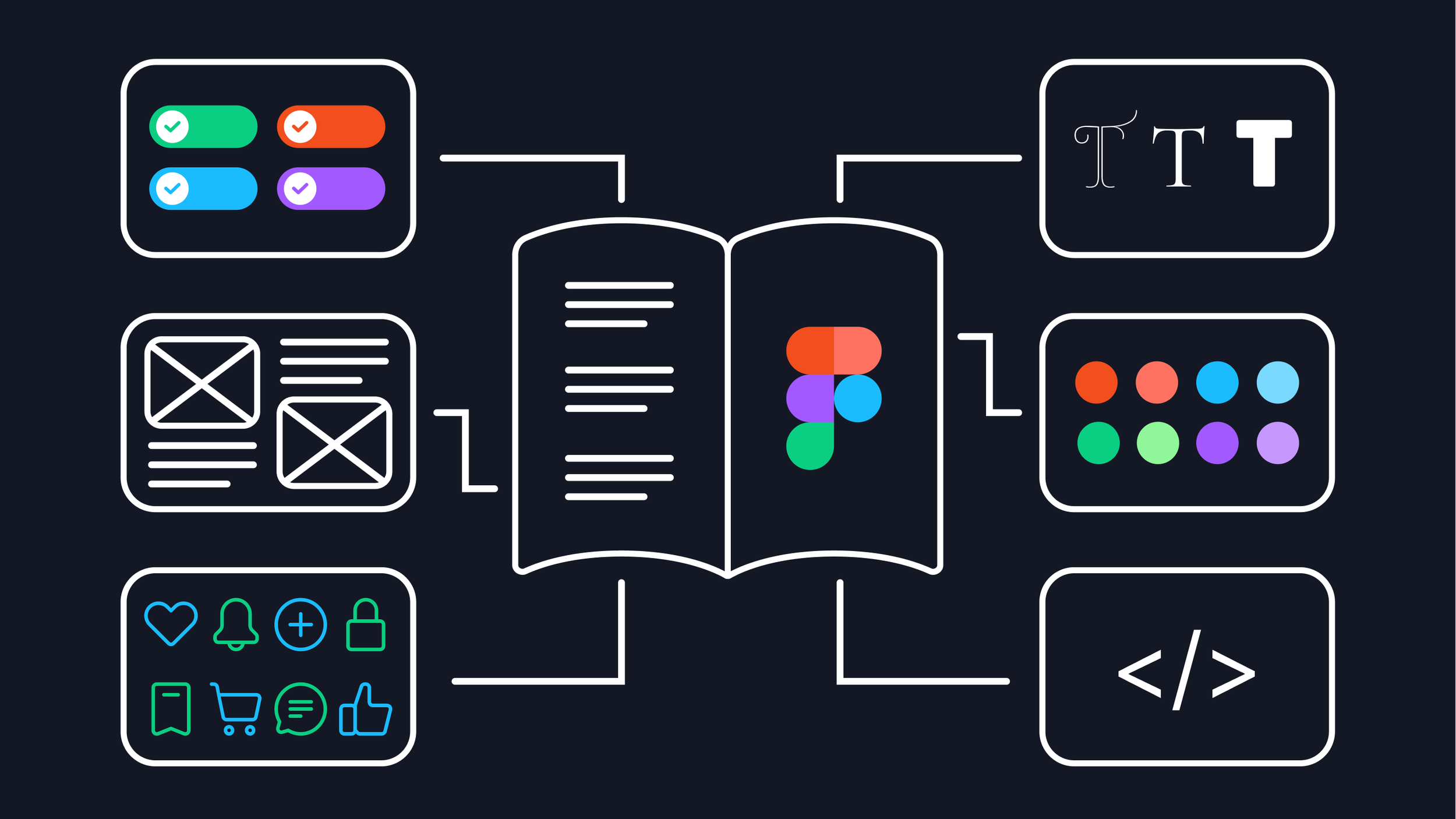
I led the remediation of approximately 28 components and introduced three new accessible components to address gaps identified through the initiative. For each component, I also documented usage guidance and defined the accessibility requirements developers needed at implementation.
The goal was to move accessibility upstream—from something discovered during QA to something designers could account for when creating the experience.
2. Connect design and development
Accessibility requirements often become difficult at the handoff between design intent and technical implementation.
To close that gap, I established a biweekly design–development sync with web and mobile developers. These sessions gave us a place to work through technical constraints, clarify requirements, and determine how accessibility should translate into actual components and interactions.
This also helped me understand where a design decision needed to adapt to the technology rather than simply documenting an ideal state.
3. Support teams in the work
As the initiative expanded, I supported four project teams as an accessibility SME and became a point of contact for design leads working through accessibility questions.
I also created Accessibility Bytes, a self-serve collection of real accessibility questions submitted by designers. Each answer connected the WCAG requirement back to our design and branding system, making the guidance more practical than simply pointing people toward standards documentation.
I supplemented that with open business hours and working sessions where designers could bring active work, ask questions, and work through accessibility considerations together.
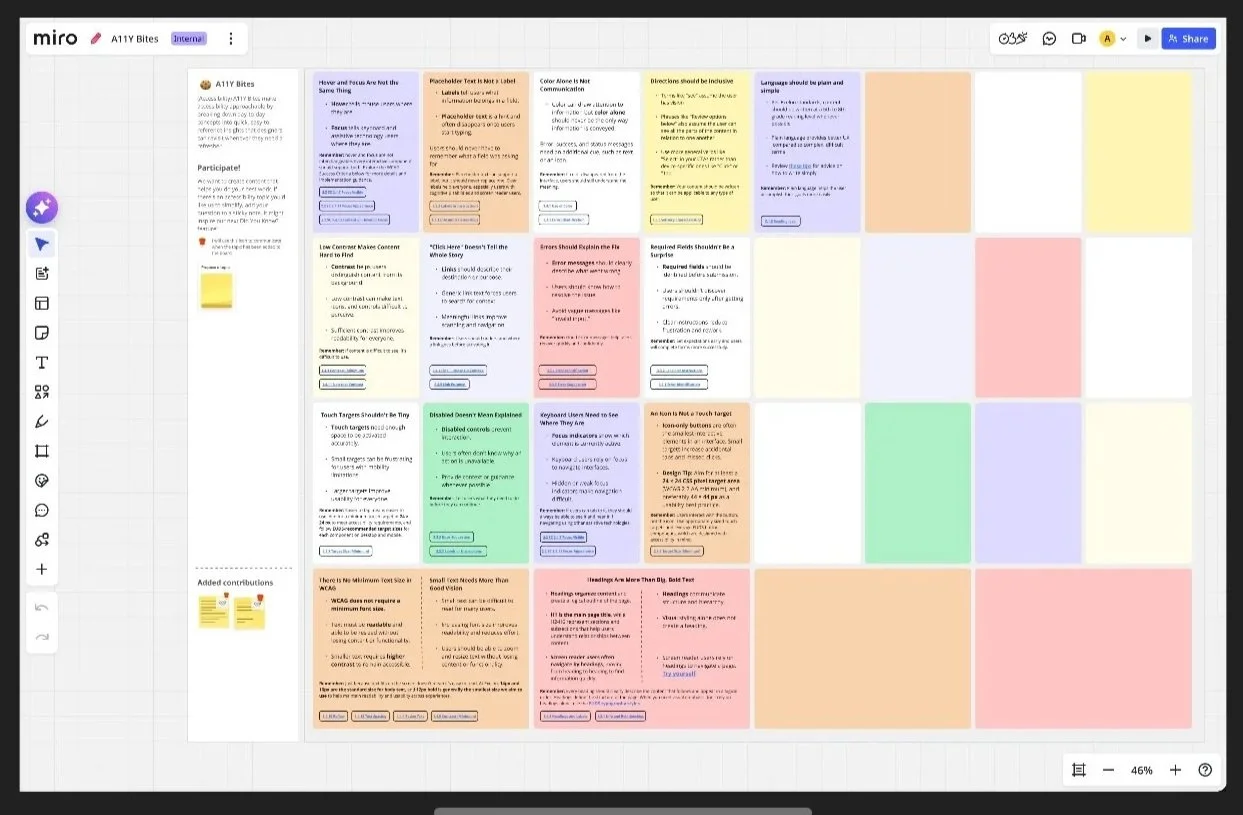
Image: A11Y Bytes screenshot (The image is censored to protect information)
4. Apply accessibility to critical customer journeys
The work wasn't limited to the design system. I also supported accessibility improvements across core customer-facing experiences, including the outage flow, an especially important journey because customers may need to use it during stressful situations, on mobile devices, or with assistive technology.
The focus was on making accessibility part of the experience itself, not just a compliance checkpoint at the end.
Outcomes
28
Design-system components remediated
3
New accessible components introduced
30
Designers reached through enablement
4
Project teams supported as accessibility SME
The broader outcome
Accessibility knowledge and documentation became more distributed across the studio, reducing reliance on a single point of expertise and giving teams more practical support to incorporate accessibility into their work.
Ongoing work
This initiative is currently in progress. The case study captures the approach, decisions, and impact to date; final outcomes and measurable results will be added as they become available.
Recognition: Below are some of the kudos I’ve received for my contributions to the team.
“Angie - Your leadership in designing accessible experiences for EUDS R1 ensured WCAG 2.2 AA requirements were embedded directly into the user flows from the start. By proactively identifying accessibility considerations and refining design to meet compliance standards, you enabled a smoother development and testing process and helped establish a strong foundation for the release.”
- Logan MacCartney, Project Manager
“Angie - I wanted to nominate you for the Buzz Lightyear Award (internal award) for all the great work you’ve done on accessibility. (…) She has been helping a lot of teams navigate a very tight timeline, helping assist with a lot of design work, guiding the team to make sure we can make our 12/10 deadline. (…) She’s also critical about how we can make sure we’re not running into the same situation again.”
- Stephanie Loughran, Experience Design Manager
Wins
Strengthened the accessibility foundation: Led the remediation of approximately 28 design-system components and introduced three new accessible components to address gaps identified through the audit.
1.
Made accessibility more actionable: Created usage documentation, developer requirements, training, office hours, and working sessions that helped teams apply accessibility to real projects rather than treating it as a late-stage audit.
2.
Connected design and development: Established a biweekly design–development sync to work through technical accessibility questions across web and mobile and make requirements clearer at handoff.
3.
Extended accessibility to critical customer journeys: Supported page-level improvements across core utility experiences, including the outage flow, where customers may need access to information quickly and from a variety of devices and assistive technologies.
4.
Up Next:
Making complex energy data easier to navigate
A customer-facing experience that turned scattered EV and energy data into something clearer, more actionable, and easier to understand.